The music
Vivaldi, Requiems and Boléro: the music behind the programmes
What The Four Seasons is, why it fills so many dates, and what the Mozart, Fauré and Verdi Requiems, Handel and Ravel add to the calendar.
Choose a date ↗Quick answer
Most dates pair Vivaldi's Four Seasons with other works, and some dates are built around a Requiem, Boléro or Handel's Messiah. The Four Seasons is four short violin concertos, published in 1725, each tied to a sonnet. The Requiems are choral works for the dead, and Boléro is a ballet score from 1928. The calendar shows which one your date carries, and no set list is promised here.
Why Vivaldi leads
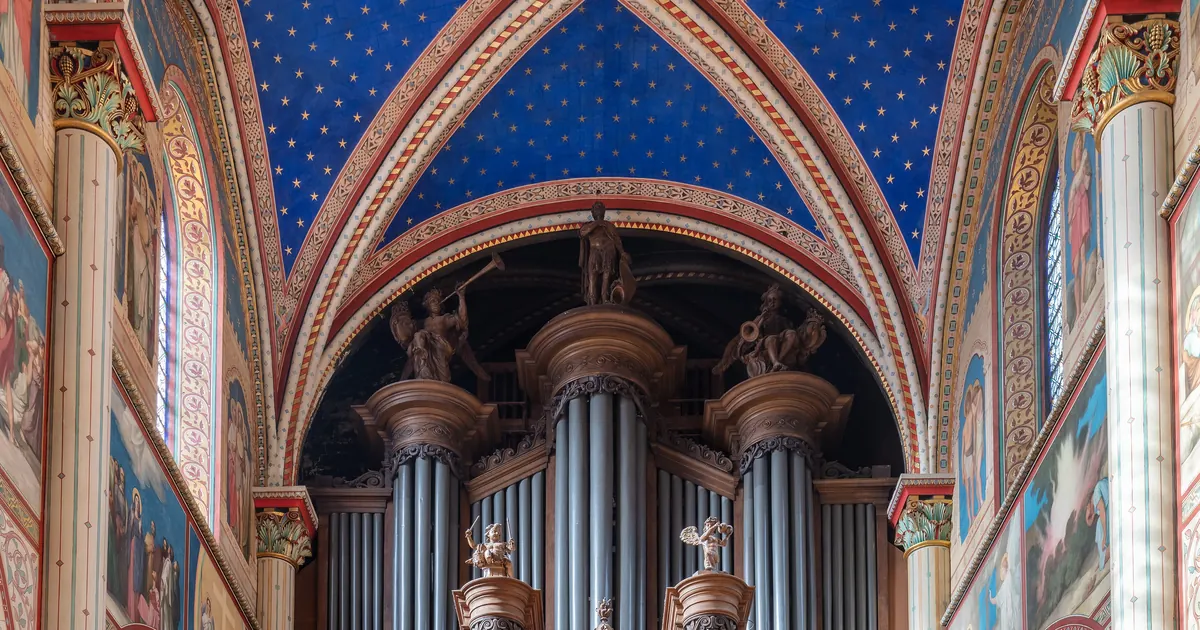
Vivaldi's Four Seasons consists of four violin concertos, and Wikipedia calls it the best known of Vivaldi's works. They were published in Amsterdam in 1725 as part of a set of twelve, Il cimento dell'armonia e dell'inventione. By 2011 roughly a thousand recorded versions existed, and a 1989 recording by Nigel Kennedy sold more than three million copies. That popularity is the practical reason it fills so many dates: the music is familiar to visitors who know little else.
How a Season is built
Each concerto is in three movements in a fast, slow, fast pattern. Wikipedia adds that each is in a different key. Wikipedia adds that each was published with a sonnet describing its season, with three sections matching the three movements, and that Vivaldi may have written the sonnets, though the author is unknown. A concert works without the sonnets, yet they account for the birdsong, storms and shivering in the music.
The Mozart Requiem
Wikipedia says Mozart composed the Requiem in D minor, K. 626, in Vienna in late 1791 and died on 5 December 1791 with the work unfinished. Only the Introitus was complete in all parts. A Count Walsegg had commissioned it anonymously, as a memorial for his wife, and Franz Xaver Süssmayr completed the rest. Some dates pair it with Boléro, which makes an unusual evening: one piece about loss, one about a rhythm that never lets go.
Fauré's Requiem and La Madeleine
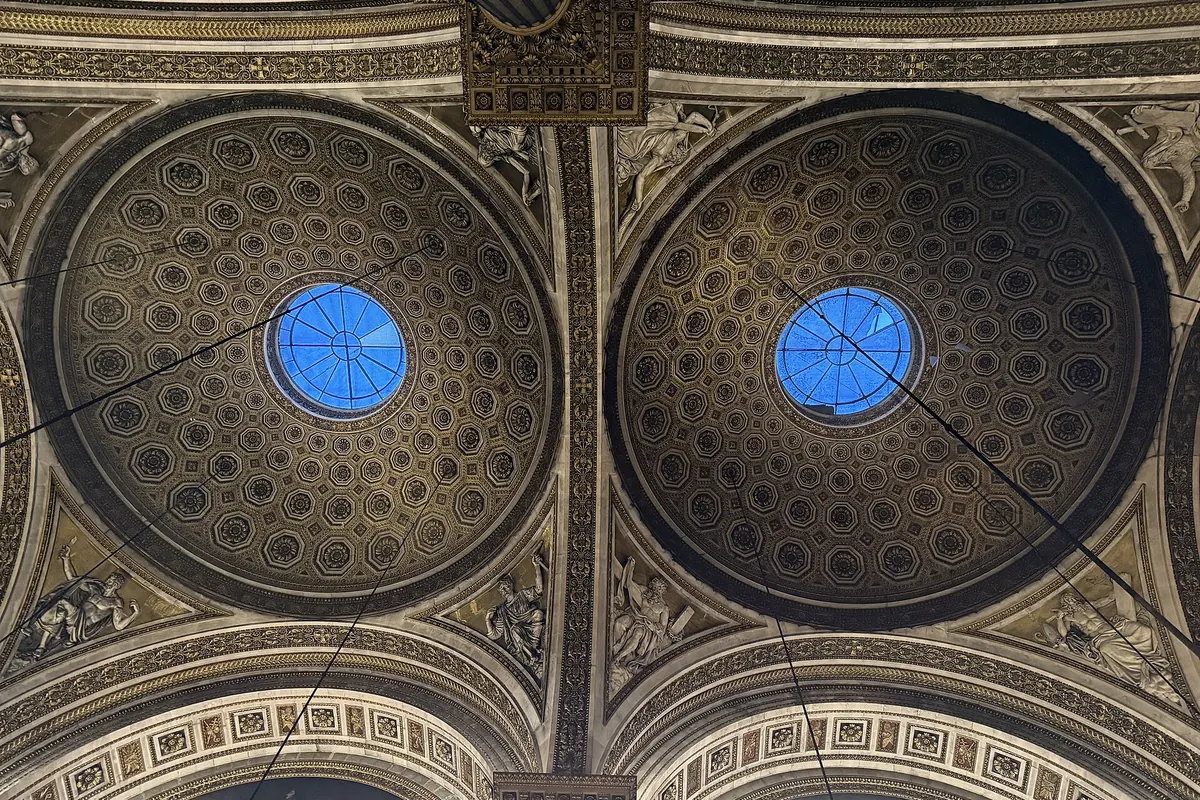
Fauré's Requiem is gentler. Wikipedia says its first version was performed on 16 January 1888 at La Madeleine in Paris, for a funeral, with Fauré conducting, and that he later revised it, finishing a full-orchestra version in 1900. He called it a very human feeling of faith in eternal rest, and he left out most of the Dies irae. If your date includes it at La Madeleine, you may hear it in the church where it was first heard.
Verdi's Requiem
Verdi's Messa da Requiem was written in memory of Alessandro Manzoni. Wikipedia says it was first given on 22 May 1874 at the church of San Marco in Milan, with Verdi conducting. It is usually performed in concert form, because it was thought too operatic for a service. That is part of its appeal in a church: the music is theatrical, and the nave gives the big choral moments somewhere to go. The booking page lists it among the programmes on some dates.
Handel's Messiah
Messiah is an English-language oratorio that Handel composed in London between 22 August and 14 September 1741, to a libretto by Charles Jennens. Wikipedia says it was first performed in Dublin on 13 April 1742, and that performances are especially popular in Advent. The tradition of standing for the Hallelujah chorus is linked to a belief about King George II, but the article says there is no convincing evidence he attended. The booking page lists it among its programmes.
Boléro
Wikipedia says Ravel composed Boléro in 1928 after Ida Rubinstein commissioned a work, and that its first performance was at the Paris Opéra on 22 November 1928. It has two melodies, each 18 bars, repeated over an unchanging rhythm that the article says is played 169 times on one or more snare drums. An average performance lasts about 15 minutes. It is usually played as an orchestral work, not as a ballet. In a church it is a test of how a nave handles a slow crescendo.
Christmas and the Adagios
December adds Christmas programmes, which the booking page lists alongside carols and a Christmas concerto. Other dates are titled Adagios, which points to slow movements, and the stone suits them. None of these is described in detail on the booking page, so this guide does not either. If one of them matters to you, check that the date you choose carries the title you expect before you pay.
Which programme to pick
If you know little classical music, the Four Seasons dates are the safest start. If a Requiem or Boléro appeals, look for those dates and note that they sit in particular churches. The calendar shows the church and the programme together, and your confirmation repeats them. You cannot request a work, but you can pick a date that carries it, and that is as much control as the booking offers.
Read next: Are the classical concerts in Paris churches worth it?
Frequently asked questions
Is it always The Four Seasons?
No. Most dates pair it with other works, and some dates feature Requiems, Boléro or Messiah. Check your date.
Can I ask for a work?
Not directly. Pick a date whose programme title carries it.
Sources